


Cindy Bruna: When Modeling Becomes a Platform for Fashion Activism
Long perceived as a superficial world, the fashion industry is seeing the rise of powerful voices who use their fame to champion essential causes. French model Cindy Bruna is one of the leading figures of this new wave of fashion activism. A muse to the greatest designers, she transforms her visibility into a platform for inclusivity, sisterhood, and the fight against violence towards women. Her journey illustrates a profound shift in the sector: being a fashion icon today also means embodying values.
From the Spotlight of the Runway to Denouncing the Shadows
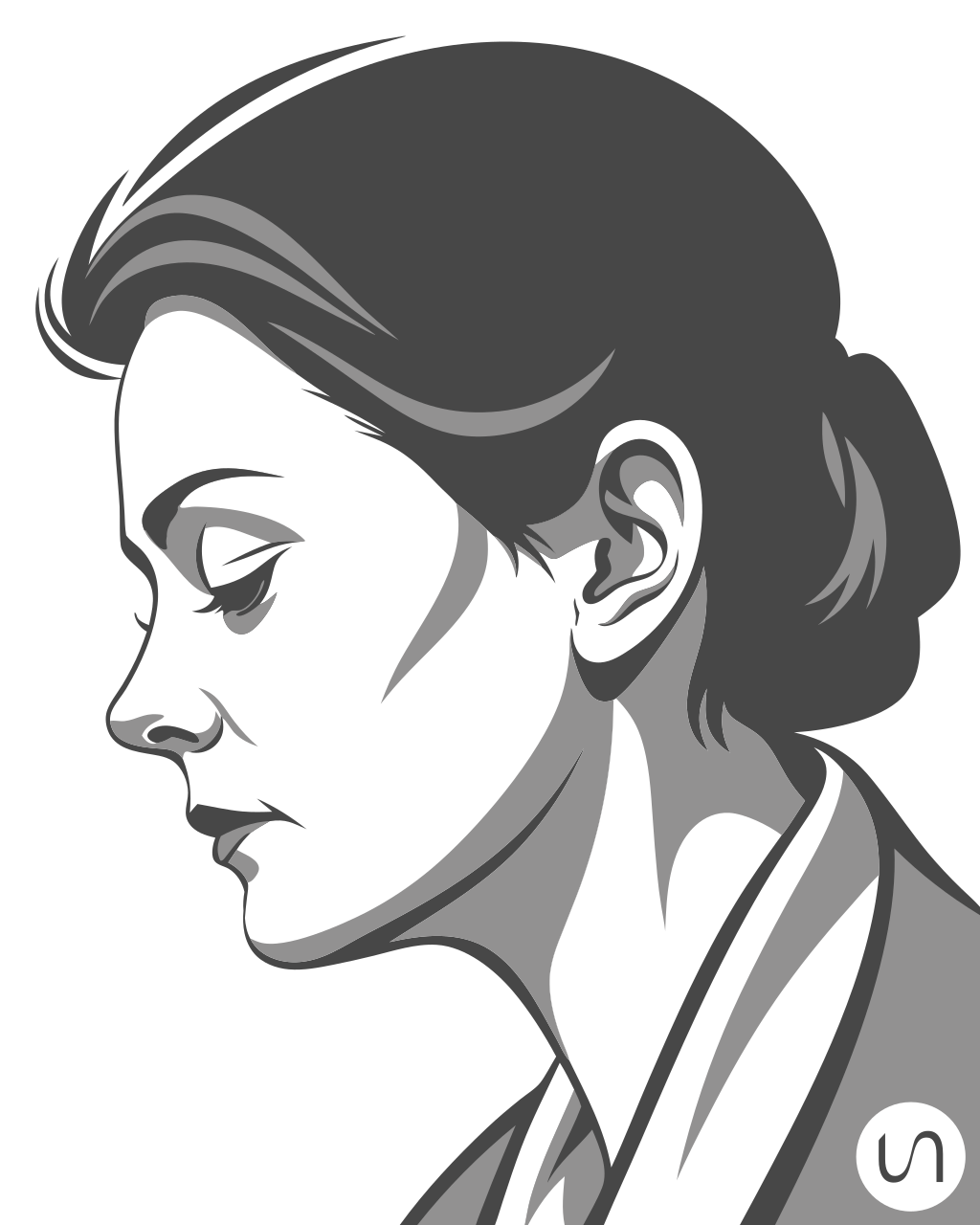
With her Italian and Congolese heritage and a meteoric career, Cindy Bruna has walked for the most prestigious houses. But behind the glamour of being a muse to Jean Paul Gaultier or a fixture at Olivier Rousteing's Balmain shows, there is a deep-seated commitment. In 2020, she published her book Le jour où j’ai arrêté d’avoir peur (The Day I Stopped Being Afraid), a poignant account in which she reveals the domestic violence her mother suffered. By sharing this intimate story, she broke a taboo and gave a voice to countless victims who suffer in silence.
This act of courage goes far beyond her modeling career. She has become an ambassador for the organization Solidarité Femmes, which supports women victims of violence. Her advocacy is a powerful reminder that fashion can and should be connected to the real world. As she told Numero magazine, she uses her platform to "carry the voice of these women and tell them they are not alone."
Inclusivity as a Standard, Not an Exception
Cindy Bruna's activism also extends to the issue of representation within the industry itself. As a woman of color, she has experienced the challenges of a sector that has long favored a single standard of beauty. She has consistently used her voice to call for greater diversity and inclusivity on the runways, in campaigns, and behind the scenes. Her high-profile participation in the L'Oréal Paris show on September 23, 2024—an event celebrated for its message of empowerment and diverse beauty—is a testament to this commitment.
By refusing to be just a pretty face, Cindy Bruna contributes to redefining the role of a model. She embodies a generation of models who are no longer content to just wear clothes, but who also wear their values. They understand that their image has an impact and choose to use it to promote positive change in society.
A Role Model for an Industry in Search of Meaning
Cindy Bruna's journey echoes a broader movement within the industry. Consumers, especially younger generations, are increasingly attentive to the values of the brands and personalities they follow. They expect transparency, authenticity, and commitment. A brand no longer just sells a product; it sells a story and a set of principles. In this sense, figures like Cindy Bruna are invaluable to the sector.
They bring a depth and credibility that go beyond aesthetics. They humanize fashion and give it a more significant social role. Her transition into an acting career is a logical next step, offering her an even larger platform to continue her advocacy. Fashion activism is no longer a niche; it is becoming an essential component of what makes a brand or an icon desirable.

CONCLUSION Cindy Bruna's career is a perfect illustration of the evolution of the fashion industry. It shows that influence, when used wisely, can be a formidable tool for social change. By courageously addressing difficult subjects and fighting for a more just and inclusive world, she proves that beauty and commitment are not only compatible but mutually reinforcing. She is a powerful role model, reminding us that fashion can be more than just appearances—it can be a movement.
KEY TAKEAWAYS: • Cindy Bruna uses her platform as a top model to advocate against domestic violence and promote inclusivity. • She is an ambassador for Solidarité Femmes and shared her personal story in a book to break taboos. • Her career reflects a broader trend of "fashion activism," where models and brands are expected to stand for social values. • This movement is driven by consumers who demand more authenticity and meaning from the fashion industry.
FAQ
What is the title of Cindy Bruna's book?
What is inclusivity in fashion?
Why is it important for models to be socially engaged?
📎 Sources: Cindy Bruna, model, actress, and activist - Numero.com




 Français